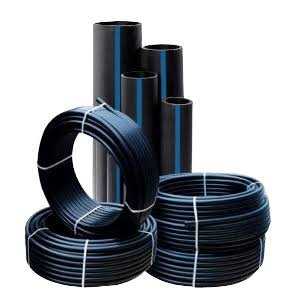
HDPE Pipes in Kenya, Tanzania and Uganda
Technical Specifications
| Technical Parameter | Specification |
|---|---|
| Pipe Material | HDPE |
| Outside Diameter | Confirm required nominal diameter |
| Wall Thickness | Depends on diameter and pressure class |
| Pressure Rating | Confirm the required PN rating |
| SDR | Depends on the selected pipe specification |
| Material Grade | Confirm manufacturer specification, such as PE80 or PE100 |
| Pipe Length | Confirm available length |
| Colour and Marking | Depends on manufacturer and intended application |
| Jointing Method | Butt fusion, electrofusion, or compatible mechanical connections |
| Applicable Standard | Confirm the required standard for the project |
| Application | Select according to pressure, fluid, and operating conditions |
Prices are confirmed on request. Send us the size and quantity you need.
Description
HDPE Pipes in Kenya, Tanzania and Uganda
Product Description
HDPE Pipes are manufactured from high-density polyethylene, a durable thermoplastic material widely used in water supply, irrigation, drainage, and compatible industrial piping systems. They are valued for their lightweight construction, corrosion resistance, and flexibility, making them suitable for a variety of infrastructure and fluid transportation applications. available in different diameters, pressure ratings, wall thicknesses, and lengths to meet different installation requirements. The appropriate pipe depends on the intended application, operating pressure, fluid type, installation conditions, and relevant industry standards.
Metraflex Industrial Suppliers serves customers in Kenya, Tanzania, Uganda, and other East African markets. Contact our team to enquire about HDPE pipe sizes, pressure ratings, availability, and pricing.
HDPE Pipes Product Details
| Product Attribute | Description |
|---|---|
| Product Name | HDPE Pipes |
| Full Name | High-Density Polyethylene Pipes |
| Material | High-density polyethylene (HDPE) |
| Product Category | Plastic piping systems |
| Available Diameters | Confirm available sizes |
| Available Lengths | Confirm stock length and supply options |
| Pressure Rating | Depends on pipe specification |
| Colour | Depends on the product and application |
| Connection Methods | Compatible butt fusion, electrofusion, or mechanical fittings, depending on the system |
| Main Applications | Water supply, irrigation, drainage, and compatible industrial systems |
| Supply Markets | Kenya, Tanzania, Uganda, and other East African markets |
Note: Actual specifications vary by pipe size, material grade, pressure class, manufacturer, and intended application. Confirm the manufacturer’s technical data before ordering.
Key Features and Benefits of HDPE Pipes
1. Corrosion Resistance
HDPE does not rust like conventional steel pipes, making it suitable for many underground and above-ground piping applications when correctly specified.
2. Lightweight Construction
HDPE pipes are generally lighter than many traditional piping materials of comparable application, which can help simplify handling and transportation.
3. Flexibility
Depending on diameter, SDR, and installation conditions, can accommodate a degree of bending without requiring a separate fitting at every change in direction.
4. Leak-Resistant Jointing
Compatible fusion-jointing methods can create continuous joints when the equipment, procedures, and installation conditions are appropriate.
5. Multiple Sizes and Pressure Ratings
HDPE pipes are manufactured in a range of sizes and pressure classes to suit different engineering requirements.
6. Versatile Applications
With the correct specification, HDPE pipes can be used in water distribution, irrigation, drainage, and selected industrial fluid-transfer systems.
Common Applications of HDPE Pipes
HDPE pipes may be used in:
- Municipal and private water supply systems
- Agricultural irrigation networks
- Rural water distribution projects
- Industrial fluid-transfer systems compatible with HDPE
- Underground water pipelines
- Drainage and wastewater systems designed for HDPE
- Infrastructure and construction projects
- Commercial and agricultural installations
The pipe grade, pressure rating, jointing method, and applicable standards must be suitable for the intended use.
How to Choose the Right HDPE Pipe
Before purchasing HDPE pipes, consider the following factors:
- Diameter: Select the required outside diameter based on the system design.
- Pressure rating: Choose a pipe rated for the operating pressure and applicable design conditions.
- SDR and wall thickness: Confirm the dimensions required by the project specification.
- Material grade: Check whether PE80, PE100, or another specified grade is required.
- Application: Ensure the pipe is suitable for the intended fluid and service conditions.
- Jointing method: Confirm compatibility with available fittings and installation equipment.
- Standards: Check the standards specified by the engineer, contractor, or project owner.
Providing these details when requesting a quotation can help identify the appropriate pipe.
HDPE Pipes Supplier in Kenya, Tanzania and Uganda
Metraflex Industrial Suppliers supplies industrial products to customers in Kenya, Tanzania, Uganda, and other East African markets. We welcome enquiries from contractors, engineers, agricultural businesses, industrial facilities, and infrastructure project teams looking for
Contact our team to confirm available diameters, pressure ratings, material grades, technical specifications, and pricing.
Frequently Asked Questions
What are HDPE pipes used for?
HDPE pipes are used for water supply, irrigation, boreholes, drainage and some industrial fluid lines. They are light, flexible and do not rust.
What is the difference between PE80 and PE100 pipe?
PE80 and PE100 are material grades. PE100 is the stronger grade, so a PE100 pipe can carry the same pressure with a thinner wall than PE80.
What does the PN rating on an HDPE pipe mean?
PN is the nominal pressure in bar that the pipe is designed to carry at 20 degrees Celsius. A PN10 pipe is designed for 10 bar. Choose the PN rating to suit your system pressure.
How are HDPE pipes joined?
HDPE pipes are joined by butt fusion, electrofusion or compression fittings, depending on the pipe size and the application.
What sizes of HDPE pipe can I order?
HDPE pipe is specified by outside diameter and pressure rating. Tell us the diameter, the PN rating and the length you need and we will confirm what is available.
How do I get a quote for HDPE pipes?
Send the diameter, PN rating, quantity in metres or rolls and your location by WhatsApp on +254 117 254578 or by email to metraflexindustrial@gmail.com.
Request a Quote for HDPE Pipes
For an accurate quotation, provide the required pipe diameter, pressure rating, SDR, material grade, quantity, and intended application. If your project has a specified technical standard, include it in your enquiry.
Company: Metraflex Industrial Suppliers
Address: Dar es Salaam Road, Off Enterprise Road, Industrial Area, Nairobi, Kenya
Phone / WhatsApp: +254 117 254578
Email: metraflexindustrial@gmail.com
Contact Metraflex Industrial Suppliers today for HDPE pipe enquiries and quotations.
Reviews
There are no reviews yet.