Foam Gasket Sheets Suppliers in Kenya, Tanzania, Uganda
Technical Specifications
| Specification | Details |
|---|---|
| Product type | Foam gasket sheet |
| Material options | EPDM foam, neoprene foam, polyethylene foam, silicone foam and other suitable cellular materials |
| Cell structure | Open-cell or closed-cell, depending on material |
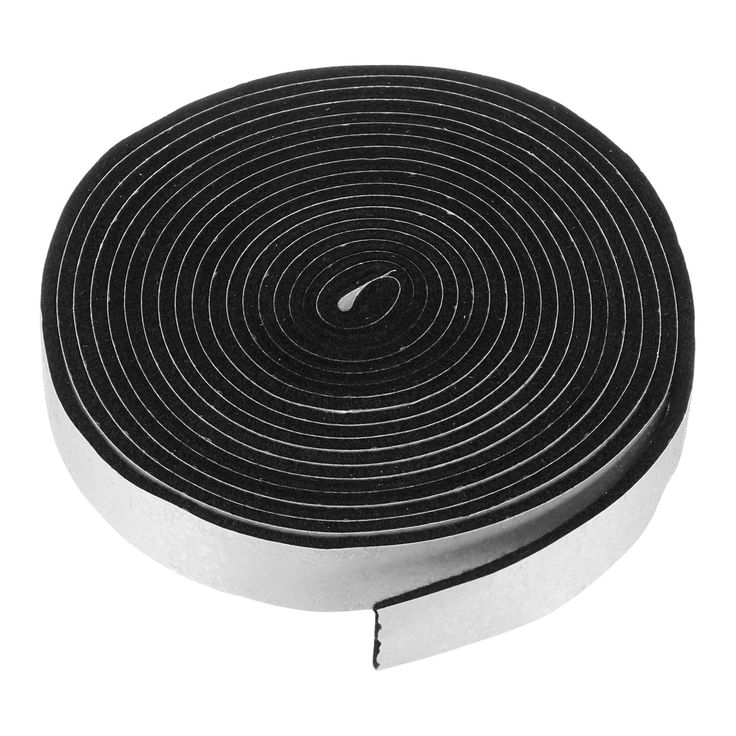
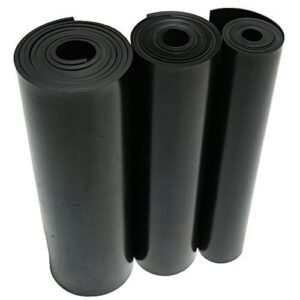
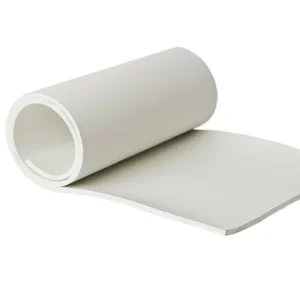
| Form | Sheet material for gasket fabrication and sealing |
| Thickness | Selected according to application requirements |
| Density | Varies by material grade |
| Colour | Depends on the material and product grade |
| Adhesive backing | Available on selected products |
| Sealing functions | Gap sealing, cushioning, dust protection and moisture resistance where suitable |
| Common applications | Enclosures, panels, HVAC equipment, machinery and industrial maintenance |
| Selection factors | Compression, temperature, environmental exposure, chemical compatibility and required sealing performance |
Prices are confirmed on request. Send us the size and quantity you need.
Description
Foam Gasket Sheets Suppliers in Kenya, Tanzania, Uganda
Foam Gasket Sheets are flexible sealing materials used to create protective seals between mating surfaces, panels, covers and equipment housings. Manufactured from cellular foam materials, these sheets compress under pressure to help close gaps, reduce air or dust ingress, absorb vibration and provide cushioning between connected components.
Metraflex Industrial Suppliers supplies foam gasket sheet solutions for industrial, commercial and maintenance applications across Kenya, Tanzania, Uganda and Ethiopia. Foam gasket sheets cut into different shapes and sizes to suit equipment designs, sealing requirements and installation conditions.
Depending on the material, foam density and cell structure, foam gasket sheets may be suitable for applications requiring cushioning, weather sealing, vibration reduction or protection against dust and moisture. Common material options include EPDM foam, neoprene foam, polyethylene foam and silicone foam.
Choosing the appropriate foam gasket sheet requires consideration of the operating environment, compression requirements, exposure to chemicals, temperature and the level of sealing required.
Key Features of Foam Gasket Sheets
- Flexible construction: Compresses to accommodate minor surface irregularities and gaps.
- Customisable shapes: cut into gaskets, strips, pads and other sealing profiles.
- Cushioning properties: Helps protect mating surfaces from direct contact.
- Vibration reduction: Certain foam materials help absorb vibration and mechanical movement.
- Dust and moisture protection: Suitable grades can help limit the entry of dust and moisture.
- Material variety: Available material types offer different levels of flexibility, resilience and environmental resistance.
- Multiple thickness options: Sheet thickness can be selected according to the required compression and gap size.
- Versatile applications: Used in equipment housings, enclosures, panels, HVAC systems and general industrial sealing.
Benefits of Foam Gasket Sheets
Effective Gap Sealing
Foam gasket sheets compress against mating surfaces to help close gaps and reduce unwanted air, dust or moisture ingress in suitable applications.
Protection Against Vibration
Appropriate foam materials provide cushioning that can help minimise vibration transmission and prevent direct contact between components.
Flexible Installation
Foam sheets can be cut into the required dimensions and shapes, making them useful for equipment repairs, replacement seals and custom fabrication.
Surface Protection
The compressible material helps cushion connected surfaces and can reduce scratching, rattling and wear caused by direct contact.
Lightweight Sealing Solution
Foam gasket materials provide a lightweight option for many enclosure, panel and equipment sealing requirements.
Versatility Across Industries
Different foam materials selected for applications ranging from general-purpose cushioning to outdoor weather sealing and specialised industrial environments.
Technical Specifications
Exact dimensions, thicknesses, densities, adhesive options and material grades depend on the selected product. The intended application should guide material selection.
Applications of Foam Gasket Sheets
Foam gasket sheets is across a wide range of industrial and commercial applications.
- Industrial machinery: Sealing equipment covers, access panels and protective housings.
- Electrical enclosures: Helping limit dust and moisture ingress when a suitable foam grade and enclosure design.
- HVAC systems: Sealing selected air-handling panels, ducts and equipment connections.
- Automotive applications: Cushioning and sealing selected interior panels, housings and components.
- Electronics: Providing cushioning and gap sealing around suitable enclosures and assemblies.
- Construction: Sealing selected joints, panels and building components.
- Appliance manufacturing: Creating seals between covers, panels and internal components.
- General maintenance: Fabricating replacement gaskets, cushioning pads and sealing strips.
- Packaging and equipment protection: Providing cushioning and protection against surface contact.
Types of Foam Gasket Sheets
EPDM Foam Gasket Sheets
EPDM foam is commonly selected for outdoor sealing because suitable grades offer good resistance to weathering, ozone and moisture. It is used in enclosures, building components and selected HVAC applications.
Neoprene Foam Gasket Sheets
Neoprene foam is in applications requiring cushioning and sealing, with material performance depending on the specific grade and exposure conditions.
Polyethylene Foam Gasket Sheets
Polyethylene foam is lightweight and commonly used for cushioning, impact protection and selected low-load sealing applications.
Silicone Foam Gasket Sheets
Silicone foam is the applications where a suitable grade is required for elevated or fluctuating temperatures. The usable temperature range and compression performance depend on the particular material specification.
Open-Cell and Closed-Cell Foam
Open-cell foam allows greater air movement through its interconnected cells and is often used for cushioning or sound absorption. Closed-cell foam generally offers better resistance to water penetration and is commonly used for gap sealing, subject to the material grade and application.
How to Choose the Right Foam Gasket Sheet
Selecting the correct foam gasket sheet helps achieve effective sealing and longer service life.
- Identify the application: Determine whether the gasket is needed for dust protection, weather sealing, cushioning, vibration reduction or another purpose.
- Choose the material: Consider EPDM, neoprene, polyethylene, silicone or another suitable foam based on the environment.
- Select the cell structure: Consider open-cell or closed-cell foam according to the required sealing and cushioning properties.
- Determine thickness: Choose a thickness that accommodates the gap while allowing the material to compress within its recommended limits.
- Consider compression: The foam should provide sufficient contact pressure without excessive compression that could cause permanent deformation.
- Assess environmental exposure: Account for moisture, sunlight, ozone, chemicals, oils and temperature changes.
- Check adhesive requirements: If the gasket needs adhesive backing, select a compatible adhesive for the substrate and service conditions.
- Measure accurately: Record the required length, width, thickness and gasket profile before ordering.
Installation, Handling and Safety Notes
- Ensure mating surfaces are clean, dry and free from dust, grease and loose material.
- Cut the foam sheet accurately to the required dimensions.
- Avoid stretching the foam during installation, as this may cause uneven sealing.
- Apply compression within the material’s recommended limits.
- For adhesive-backed sheets, ensure the surface and adhesive are compatible.
- Avoid exposing the foam to chemicals, oils or temperatures outside its suitable operating range.
- Inspect installed seals periodically for compression set, tearing, hardening or deterioration.
- Use the appropriate safety procedures and cutting tools when fabricating gasket shapes.
Why Buy Foam Gasket Sheets from Us?
Metraflex Industrial Suppliers provides industrial product sourcing support for businesses, contractors, maintenance teams and equipment users. When enquiring about foam gasket sheets, customers benefit from:
Multiple material options: Solutions for different cushioning and sealing requirements.
- Application-based guidance: Assistance in identifying suitable foam types and sheet dimensions.
- Industrial supply support: Sourcing for maintenance, fabrication and equipment installation.
- Regional coverage: Serving Kenya, Tanzania, Uganda and Ethiopia.
- Convenient communication: Contact our team with your required material, thickness and application details.
Frequently Asked Questions
What are foam gasket sheets?
Foam gasket sheets is create compressible seals between surfaces, reduce dust and moisture ingress, cushion components and help reduce vibration in suitable applications.
What materials is manufacture foam gasket sheets?
Common options include EPDM, neoprene, polyethylene and silicone foam. Each material offers different properties, so selection should be based on the intended operating conditions.
Are foam gasket sheets waterproof?
Closed-cell foam grades generally provide better resistance to water penetration than open-cell grades. Actual performance depends on the material, surface condition, compression and installation.
foam gasket sheets cut to size?
Yes. Foam sheets cut into custom shapes, strips, pads and gasket profiles to match the dimensions of the equipment or joint.
What is the difference between open-cell and closed-cell foam?
Open-cell foam has interconnected cells and is commonly used for cushioning and sound absorption. Closed-cell foam has more enclosed cells and is generally better suited to applications requiring resistance to water penetration and gap sealing.
Which foam gasket sheet is best for outdoor use?
Suitable EPDM foam grades are commonly used outdoors because of their weathering and ozone resistance. The final choice should account for the exposure conditions and required service life.
Where can I buy foam gasket sheets in Kenya?
Contact Metraflex Industrial Suppliers in Nairobi, Kenya, to enquire about foam gasket sheets for industrial sealing, equipment maintenance and fabrication applications.
Contact Metraflex Industrial Suppliers
For foam gasket sheet enquiries, material selection and supply information, contact our team.
Company: Metraflex Industrial Suppliers
Location: Dar es Salaam Road, Off Enterprise Road, Industrial Area, Nairobi, Kenya
Phone / WhatsApp: +254 117 254578
Email: metraflexindustrial@gmail.com
Supply regions: Kenya, Tanzania, Uganda and Ethiopia
Contact us with your required foam material, sheet dimensions, thickness and intended application so we can help identify a suitable option.
Reviews
There are no reviews yet.